Europe is producing more renewable energy than ever before. Solar and wind are expanding rapidly, and the transition to a cleaner energy system is well underway. Yet for many people, the experience feels contradictory. Energy bills remain high. Prices fluctuate. And “green” doesn’t always feel cheaper. So what’s going on?
The transition is not free: it’s layered
One of the most common misconceptions about renewable energy is that once it’s built, it should automatically lead to lower costs.
In reality, the energy transition is not a simple switch, it’s a layered transformation.
Europe is currently running two systems at the same time:
- the existing fossil-based infrastructure
- and a rapidly expanding renewable energy system
Maintaining both during the transition period is expensive, and those costs are reflected in energy prices.
Infrastructure is the hidden cost
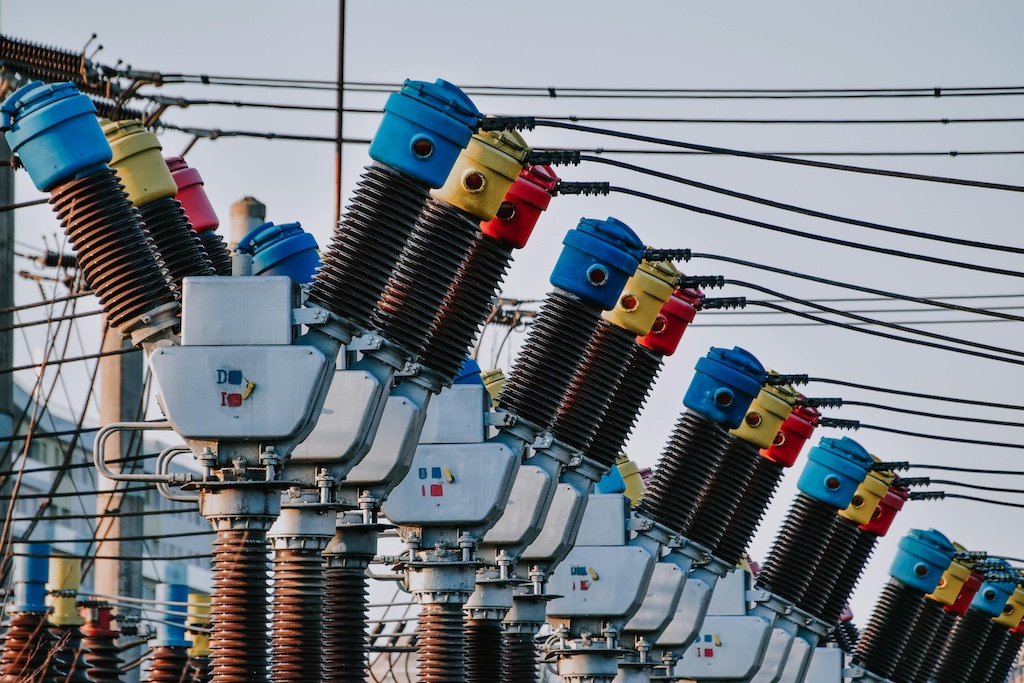
Renewable energy doesn’t just require generation capacity, it requires an entirely new system to support it. As highlighted by the European Commission, Europe needs significant investment in:
- electricity grids
- cross-border interconnections
- storage and flexibility solutions
These upgrades are essential to handle variable energy sources like wind and solar — but they come at a cost.
According to the International Energy Agency, global grid investment must more than double by 2030 to keep pace with clean energy expansion. (Source: IEA, 2023)
Why more renewables don’t immediately mean lower prices
In theory, renewable energy has very low operating costs. But in practice, several factors prevent those savings from immediately reaching consumers:
- Price-setting mechanisms
Electricity prices in Europe are often determined by the marginal cost of the last unit produced, frequently gas-fired power plants. This means that even if renewable energy is cheaper, prices can still be driven up by fossil fuels.
- Volatility and intermittency
Solar and wind are not constant. When production is low:
- backup systems are needed
- often powered by gas or other flexible sources
This balancing act increases system costs.
- Curtailment and inefficiency
At times, renewable energy is produced but cannot be used due to grid limitations. This leads to curtailment (effectively wasting available clean energy) while other regions may still rely on more expensive sources.
The European Environment Agency notes that improving grid flexibility and integration is key to reducing such inefficiencies. (Source: EEA, 2023)
The cost of speeding up the transition
Europe is not just transitioning — it is accelerating. Through initiatives like Fit for 55, the EU aims to:
- reduce emissions by 55% by 2030
- expand renewable energy
- electrify transport and heating
This acceleration requires:
- faster deployment of infrastructure
- large-scale public and private investment
- regulatory reform
All of which carry short-term costs, even if they deliver long-term benefits.
So will energy get cheaper?
The short answer: eventually, but not immediately. As infrastructure improves, markets integrate, and reliance on fossil fuels decreases:
- price volatility is expected to decline
- renewable energy can be used more efficiently
- system costs can stabilise
But during the transition, price pressure is likely to remain part of the reality.
Why this matters
The perception of high costs is not just an economic issue: it is a social one. If people feel that the green transition is:
- too expensive
- too slow to deliver benefits
support for climate policies can weaken. That is why transparency is critical.
Conclusion
The clean energy transition is not just about producing cheaper energy, it is about rebuilding the entire system that delivers it. And rebuilding a system at this scale takes time, investment, and coordination. So while clean energy is growing, the reason it still feels expensive is simple: we are paying not just for energy, but for the transition itself.