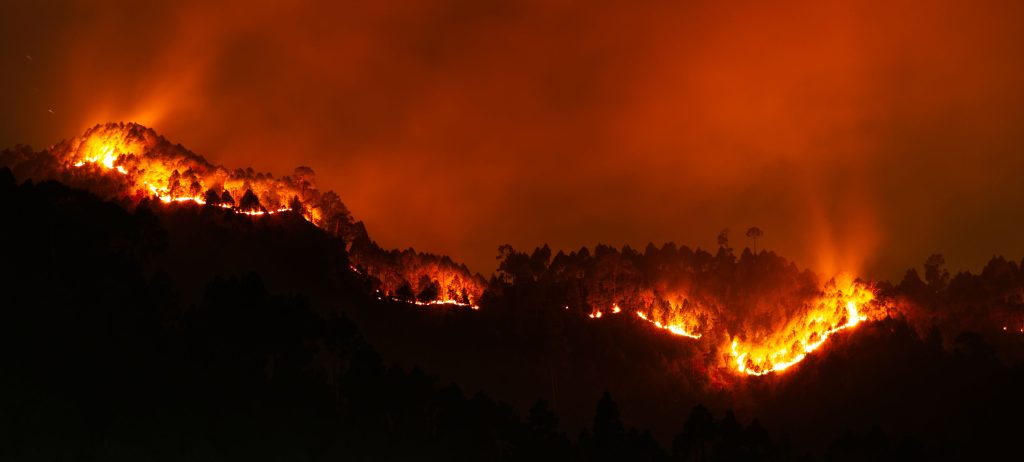
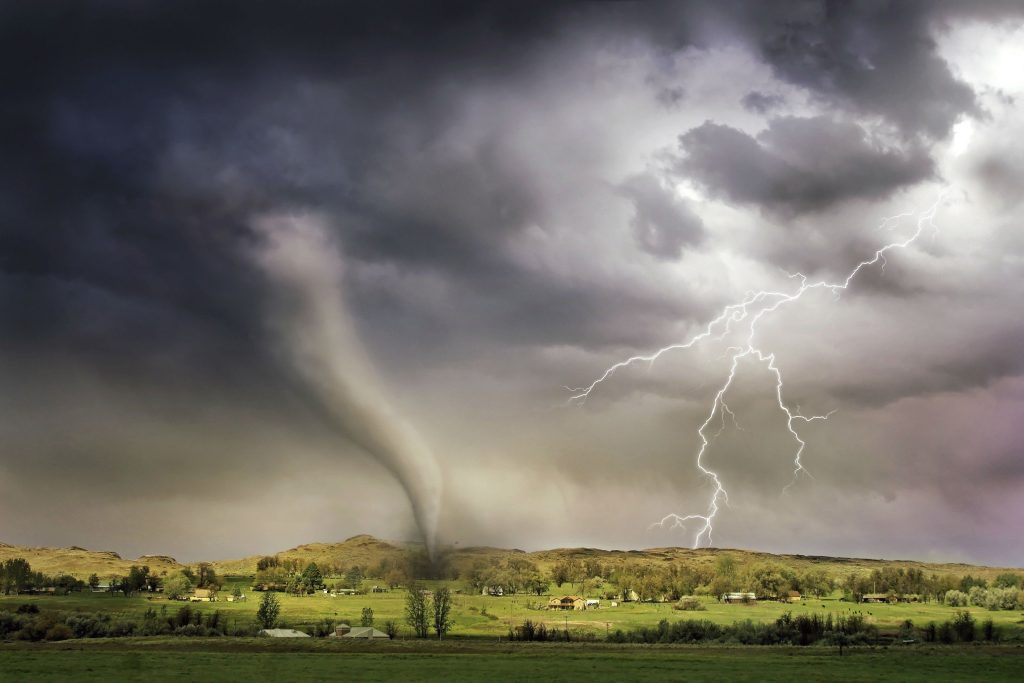
Extreme weather is increasingly measurable not only in temperatures and rainfall, but also in euros. Floods damage roads and buildings, droughts reduce agricultural output, storms disrupt infrastructure, and heatwaves affect health and labour productivity. While individual events cannot automatically be attributed to climate change, scientific assessments indicate that continued warming is increasing several climate-related risks across Europe.
€822 Billion in direct losses
According to the European Environment Agency (EEA), weather- and climate-related extremes caused an estimated €822 billion in direct economic losses in the EU between 1980 and 2024, measured in 2024 prices. Around €208 billion 25% of the entire 45-year total, occurred between 2021 and 2024.
Average annual losses have also increased substantially: from approximately €8.6 billion per year in the 1980s to €44.9 billion per year in 2020-2024. The EEA’s 30-year moving-average analysis indicates a 54% increase between 2009 and 2024.
Floods represent the largest share of recorded losses, accounting for approximately 47% of the EU total since 1980. Storms, including hail and lightning, account for around 27%, while heatwaves represent almost 18%.
Importantly, these figures primarily represent direct damage to physical assets and infrastructure. Costs associated with reduced productivity, healthcare, injuries and other indirect effects are generally excluded, meaning the wider economic burden is higher.
Drought: a growing economic risk
Drought affects agriculture, energy generation, water supply, manufacturing and inland transport. Research by the European Commission’s Joint Research Centre (JRC) estimates current drought losses in the EU and UK at around €9 billion annually. Under a high-warming scenario without adaptation, this could exceed €65 billion per year by 2100.
The impacts are unevenly distributed: modelling suggests that under approximately 4°C of warming, drought could reduce agricultural economic output by around 10% in some southern and western European regions. European Commission
The insurance gap
Another economic issue is the difference between total damage and insured damage. Across the EU, less than 20% of losses recorded between 1980 and 2024 were privately insured. Coverage also varies considerably: more than 35% of storm-related losses were insured, compared with roughly 15% for floods and just over 10% for climatological events such as heatwaves, droughts and wildfires.
This leaves households, businesses and governments exposed to a substantial share of reconstruction costs. EIOPA
GDP and infrastructure
Climate risks can also affect economies beyond individual damaged assets. The EEA’s European Climate Risk Assessment identifies 36 major climate risks affecting areas including infrastructure, food and energy security, water resources, health and financial stability.
The scale can be significant for individual countries. The 2023 floods in Slovenia, for example, generated estimated direct and indirect damage equivalent to approximately 16% of national GDP. EEA Climate Adapt
Mitigation and adaptation
The economic discussion therefore involves two different approaches. Measures under Fit for 55 seek to reduce greenhouse-gas emissions and limit future warming, while adaptation measures, including flood protection, resilient infrastructure, water management and heat preparedness aim to reduce damage from climate risks that already exist. McKinsey
Neither eliminates economic losses entirely. Their costs can instead be compared with the expected costs of future damage. Recent EEA estimates put adaptation needs for the EU’s energy, transport and agriculture sectors alone at €53-56 billion annually until 2050 under a moderate-emissions scenario, with substantially higher requirements under higher warming.
Conclusion
Europe’s experience shows that extreme weather already has measurable economic consequences. The question for governments and businesses is therefore not simply how much climate policy costs, but how the costs of mitigation, adaptation and residual climate damage compare over time.
With €822 billion in recorded direct losses since 1980, and recent years accounting for a disproportionate share, climate risk is increasingly relevant to infrastructure planning, insurance, investment and long-term economic strategy.