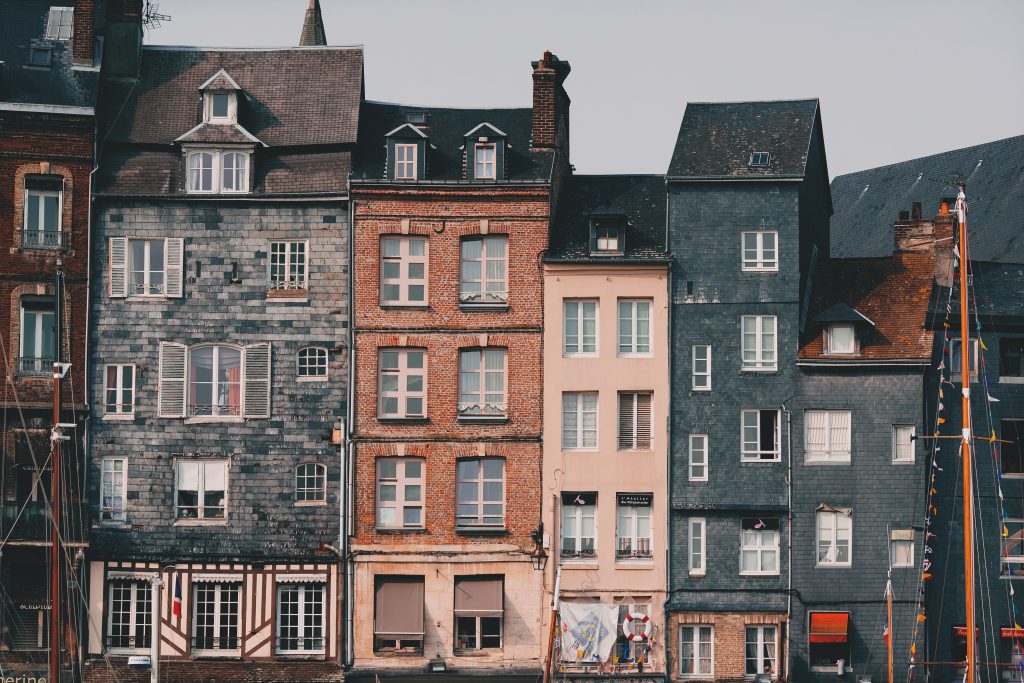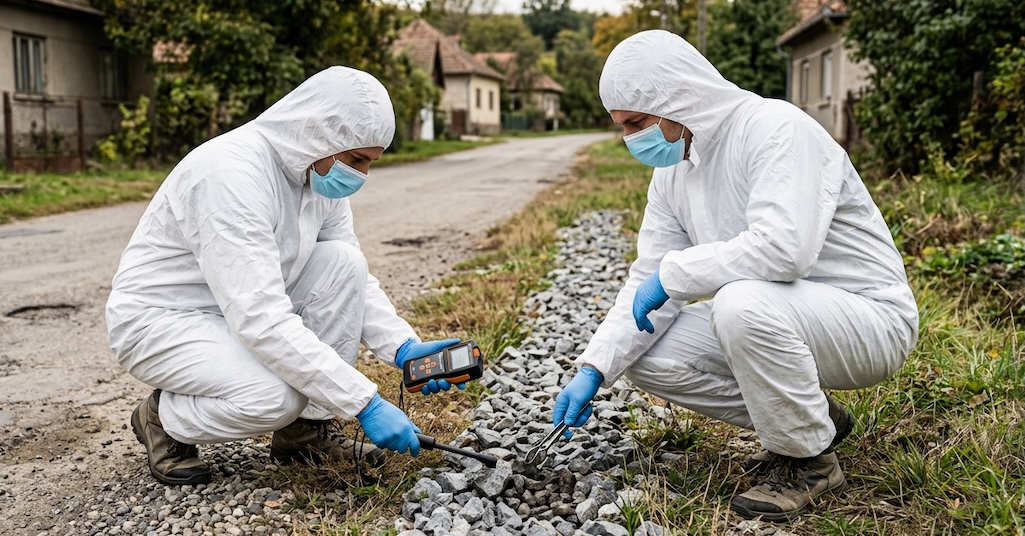
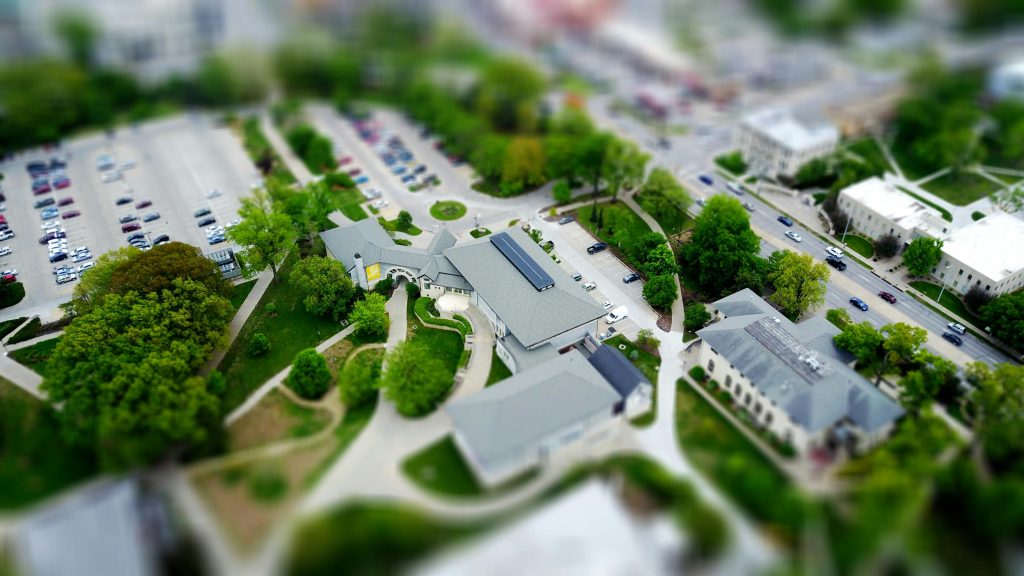
It’s a weekday morning in 2035. You step outside your apartment in a mid-sized European city. The air feels cleaner than it did a decade ago, and that’s not just perception. Cities have become the center of Europe’s green transition, with over 70% of EU citizens already living in urban areas today. European Commission
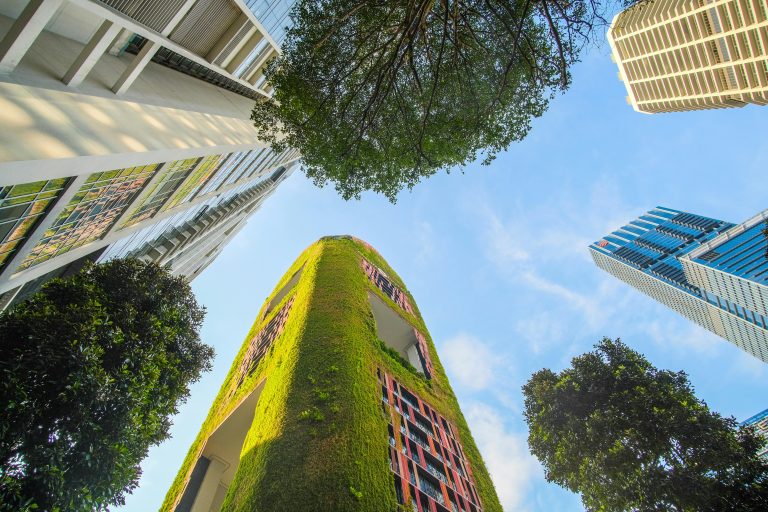
But what does that actually look like in everyday life?
Mobility: fewer cars, smarter movement
Your commute no longer starts with traffic. In fact, private car use has declined significantly, replaced by a mix of public transport, cycling, and shared mobility.
This shift didn’t happen overnight. Transport has been one of Europe’s biggest climate challenges, responsible for nearly 29% of greenhouse gas emissions in 2022. European Environment Agency
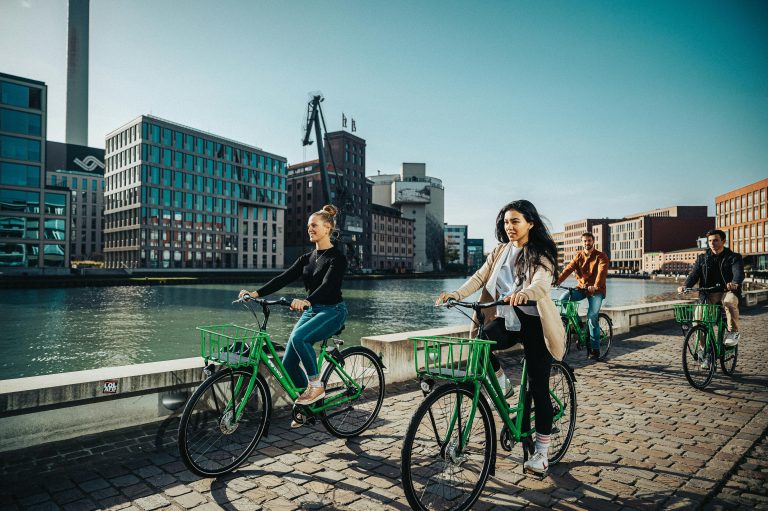
By 2035, cities are built around:
- zero-emission buses and trams
- extensive cycling infrastructure
- integrated digital mobility apps
The EU’s strategy aims for at least 100 climate-neutral cities by 2030, acting as pioneers for the rest. European Commission Egis
You don’t “own” mobility anymore, you access it.
Energy: invisible but transformational
Back home, your building quietly manages its own energy. Rooftop solar panels, smart grids, and energy-efficient renovations have become standard.
The EU has set ambitious goals, including at least 42.5% renewable energy by 2030. European Commission
This transformation matters because energy is deeply connected to urban life:
- buildings are smarter and consume less
- electricity increasingly comes from renewables
- systems adapt in real-time to demand
Even transport is changing energy dynamics. Today, road transport still consumes over 70% of transport energy, mostly fossil-based, but this is expected to shift rapidly as electrification scales. EAIE
In 2035, energy isn’t something you think about, it just works, cleaner.
Food: local, transparent, and circular
At lunchtime, your meal likely comes from a mix of local producers, urban farming, and optimized supply chains.
Cities are rethinking food systems to reduce emissions and waste:
- shorter supply chains
- plant-based options becoming mainstream
- circular economy models reducing food waste
These changes reflect a broader shift: sustainability is no longer a niche lifestyle, it’s embedded in daily choices. Urban Agenda One Earth
Lifestyle: greener, slower, more connected
The biggest change isn’t technological, it’s cultural.
European cities are redesigning public spaces to prioritize people over cars:
- more green areas
- pedestrian zones
- community-focused urban planning
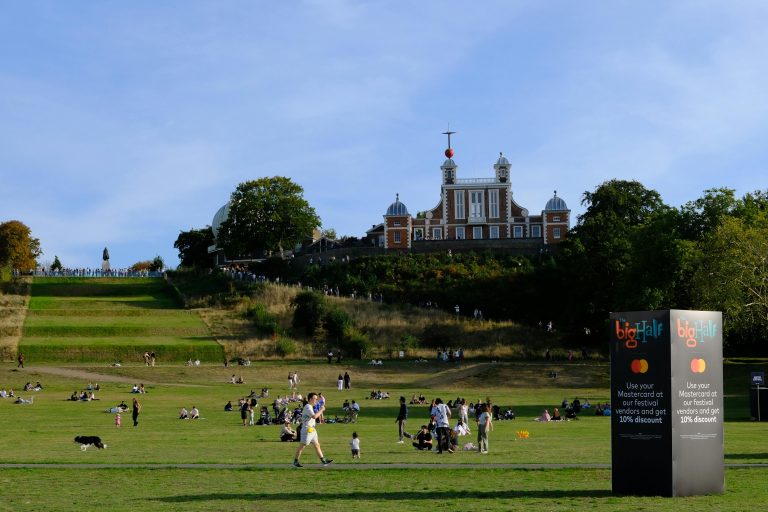
This aligns with EU efforts to improve urban quality of life through sustainable mobility and energy-efficient cities. ICLEI
The result? Cities feel quieter, healthier, and more livable. Eurocities
The bigger picture
The transformation of European cities is driven by a clear long-term goal:
a climate-neutral Europe by 2050. NCP
But the path is not simple. Transport demand is still rising, and the transition requires massive investment and behavioral change. European Parliament
So, what changes most?
By 2035, the average European city is not futuristic, it’s rebalanced:
- less pollution, more space
- less ownership, more access
- less waste, more efficiency
It’s not just a greener city. It’s a different way of living.