Europe’s green transition has become one of the continent’s most significant economic and geopolitical projects in recent years. The European Union aims to achieve climate neutrality by 2050 while dramatically increasing the role of renewable energy, electric mobility, and energy storage technologies. Yet an increasingly urgent question is being raised in Brussels and across industrial sectors: can Europe truly build a competitive green industry without China?
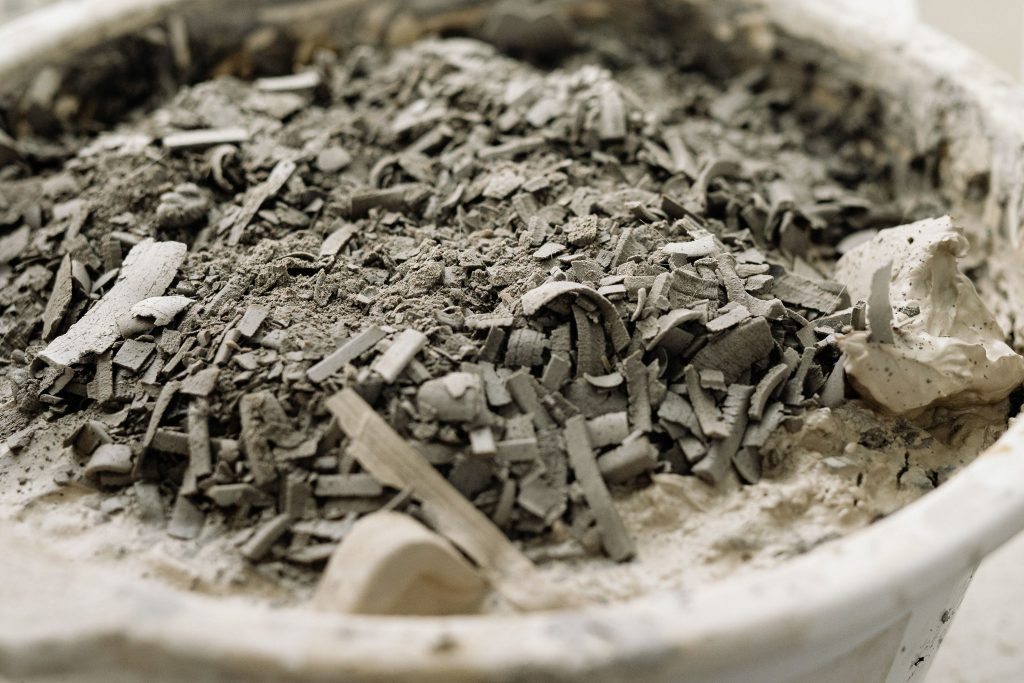
The dilemma is far from theoretical. Over the past fifteen years, China has established a dominant position across nearly every major green technology supply chain, from solar panels and batteries to rare earth minerals. According to several analyses, China currently controls more than 90% of the world’s rare earth processing capacity. euronews.com
The European Union is particularly exposed to this dependence. Research from the European Parliament indicates that nearly 98% of the EU’s rare earth magnet supply comes from China. ecb.europa.eu China also supplies the overwhelming majority of Europe’s imported solar panels and plays a central role in battery manufacturing and electric vehicle supply chains. A 2026 report estimated that 98% of Europe’s solar panel imports and 88% of its lithium-ion battery imports originate from China. oxfordenergy.org
Europe’s response: diversification and strategic autonomy
In recent years, the EU has increasingly recognized the risks associated with excessive dependence on a single supplier. One of the bloc’s major responses has been the Critical Raw Materials Act (CRMA), designed to diversify access to strategic materials and strengthen Europe’s own processing capacity. europarl.europa.eu tem.fi
Under the legislation, the EU aims by 2030 to ensure that:
- at least 10% of strategic raw materials are mined within Europe,
- 40% are processed domestically,
- and 25% come from recycling. europarl.europa.eu
At the same time, Europe is seeking alternative strategic partners. Countries such as Chile, Canada, Australia, and several African nations are increasingly viewed as critical suppliers for the future green economy. Trade agreements, including the EU-Mercosur deal, are partly driven by access to strategic resources. commission.europa.eu econstor.eu
However, diversification remains a slow and expensive process. Opening a new mine in Europe can take between 10 and 20 years due to environmental regulations, permitting procedures, and public opposition.
Economic realities and geopolitical risks
One of the central issues in this debate is whether Europe’s green transition would accelerate or slow down without China. Some experts argue that restricting Chinese imports could significantly increase the cost of green technologies in Europe. The falling prices of solar panels, batteries, and electric vehicles over the past decade have been driven in large part by Chinese mass production and economies of scale.
Others, however, warn that excessive dependence creates long-term strategic vulnerabilities. In 2025, for example, China tightened export controls on several rare earth materials, causing supply disruptions for European automotive manufacturers. euperspectives.eu reuters.com
According to the European Central Bank, the eurozone remains highly exposed to supply-chain risks linked to Chinese export restrictions on critical minerals. ecb.europa.eu
Is there a realistic alternative?
Based on current trends, Europe is unlikely to achieve complete independence from China in the short or medium term. The more realistic question may be whether the EU can reduce one-sided dependence without undermining the speed and affordability of the green transition itself.
Many analysts believe the most probable strategy is not full decoupling, but rather “de-risking” diversifying supply chains, building strategic reserves, and strengthening European manufacturing capacity in key technologies. ecfr.eu
Conclusion
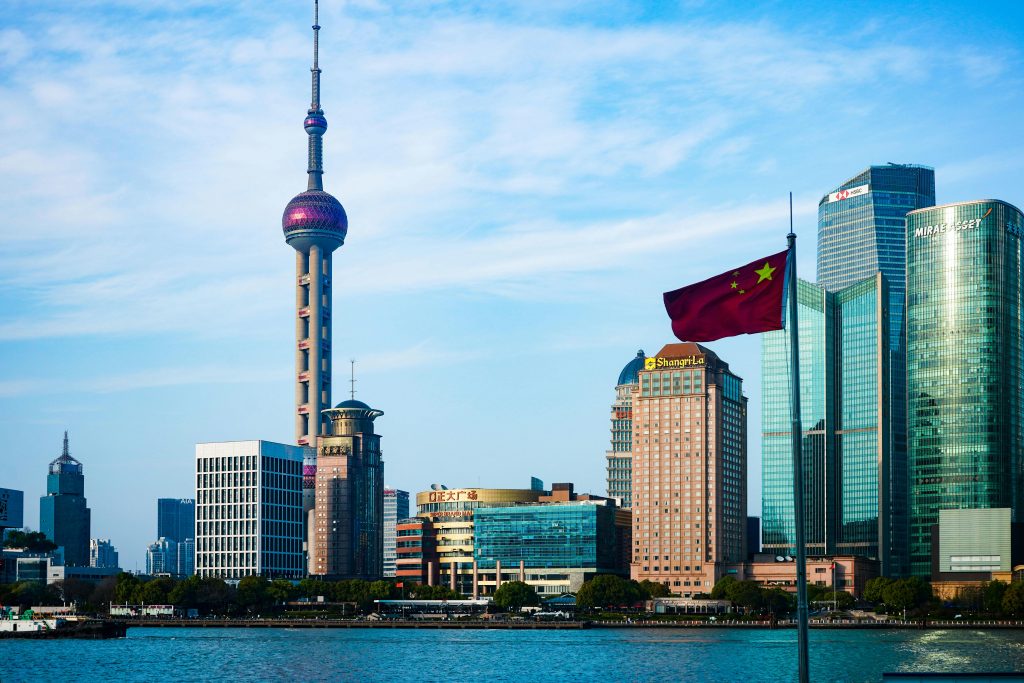
Europe’s green industrial future remains deeply interconnected with China. Dependence on Chinese raw materials, batteries, and renewable-energy technologies creates both economic advantages and geopolitical vulnerabilities.
While the EU is placing increasing emphasis on strategic autonomy, full separation from China does not currently appear economically or technologically realistic. The key challenge for Europe in the coming decade may therefore not be whether it can build a green industry entirely without China, but rather how far it can reduce its dependence while maintaining competitiveness and meeting its climate goals.