As climate change accelerates, European cities are experiencing more frequent, longer-lasting and more intense heatwaves. Urban areas are particularly vulnerable because buildings, roads and other artificial surfaces absorb and retain heat, creating what is known as the Urban Heat Island (UHI) effect. As a result, city centres can be 1-3°C warmer than surrounding rural areas during the day and up to 12°C warmer at night, according to the U.S. Environmental Protection Agency (EPA). TheDailyClimate
More than 75% of the European Union’s population lives in urban areas, a figure expected to exceed 80% by 2050. As cities continue to grow, adapting urban environments to extreme heat has become an essential component of climate resilience. While the Fit for 55 package primarily focuses on reducing greenhouse gas emissions, many of its objectives also support cooler, healthier and more resilient cities. ICOS
Why are cities heating up?
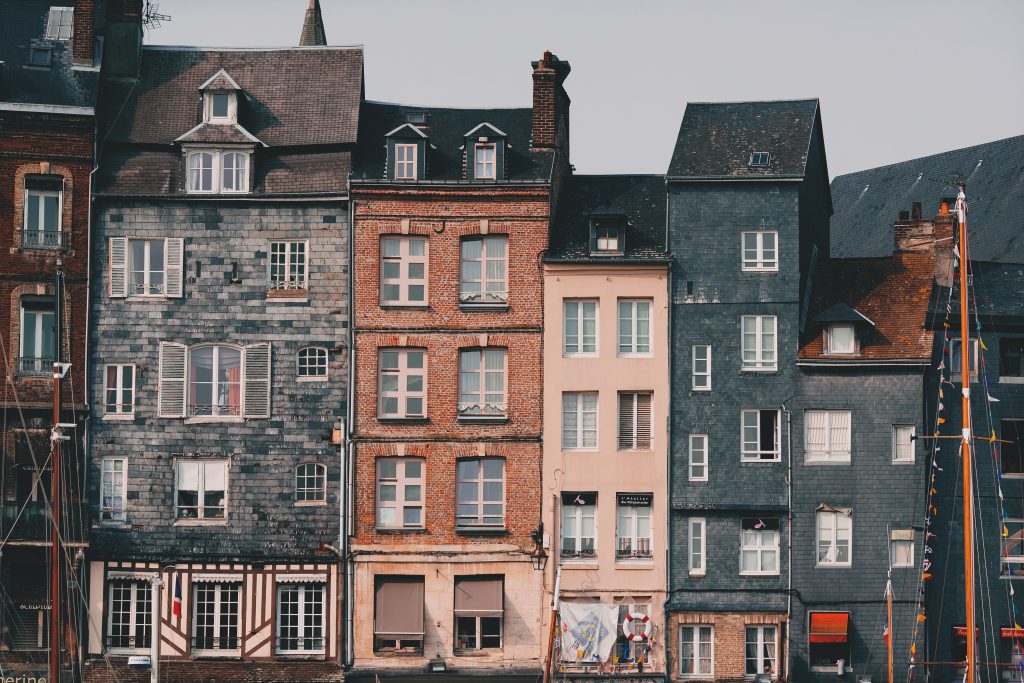
Urban areas contain large amounts of asphalt, concrete and dark roofing materials, all of which absorb solar radiation during the day and slowly release heat after sunset. At the same time, dense development reduces airflow, while limited vegetation decreases natural cooling through evapotranspiration.
The European Environment Agency (EEA) warns that heat-related mortality has increased significantly across Europe in recent decades. A study published in Nature Medicine estimated that more than 61,000 heat-related deaths occurred across Europe during the summer of 2022, highlighting the growing public health risks associated with extreme temperatures. Nature ISGlobal
Heat also places increasing pressure on electricity systems, transport infrastructure and water resources, making urban adaptation a priority for local governments.
Nature-based solutions
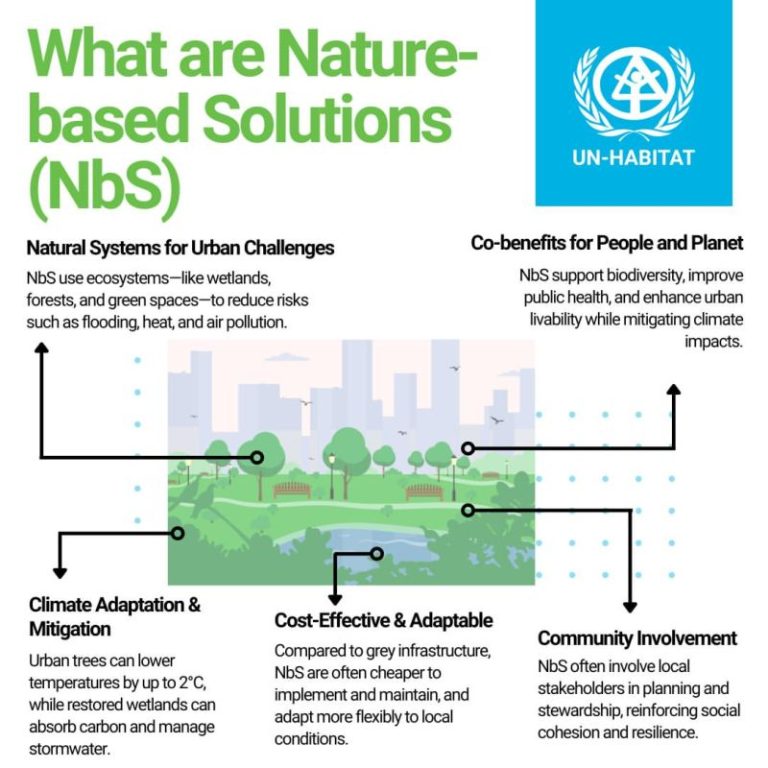
One of the most effective responses is the wider use of Nature-Based Solutions (NbS) measures that use natural ecosystems to address climate-related challenges while delivering environmental and social benefits. ScienceDirect
Examples include:
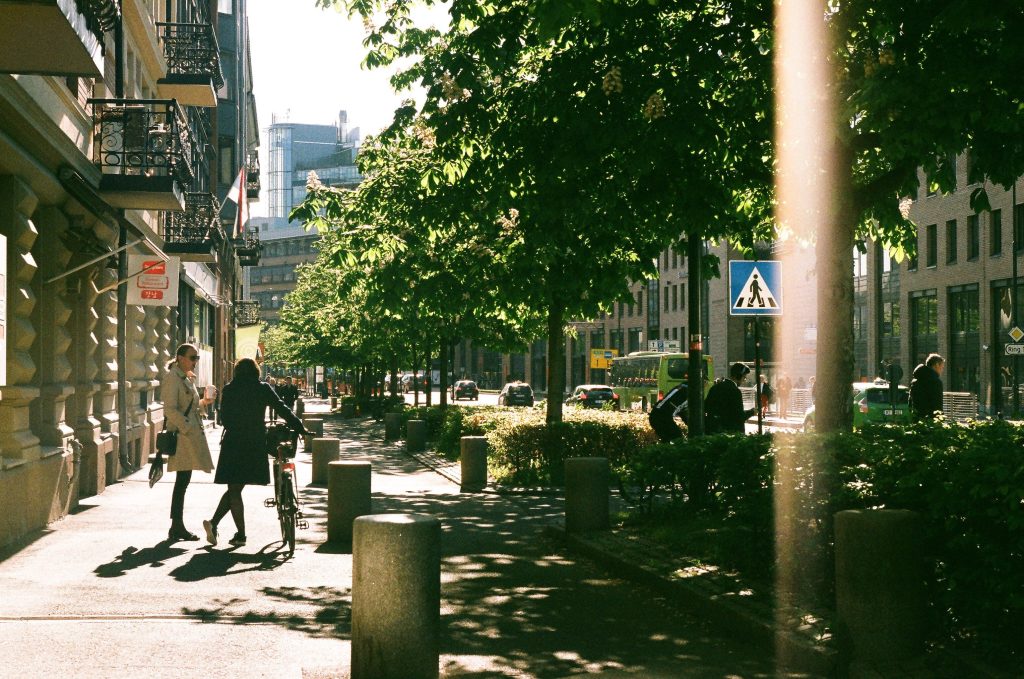
- expanding urban forests and tree-lined streets;
- creating new parks and green corridors;
- installing green roofs and living walls;
- restoring wetlands and rivers;
- replacing sealed surfaces with permeable pavements.
Source: Green Buildings for Tomorrow
Research from the European Commission shows that urban trees can reduce surrounding air temperatures by 2-8°C through shading and evapotranspiration. Green roofs can lower roof surface temperatures by 30-40°C during hot summer days while also improving insulation and reducing stormwater runoff. Medium
Beyond cooling: Multiple benefits
Nature-based solutions provide benefits far beyond temperature reduction.
Urban greenery can:
- improve air quality by filtering pollutants;
- reduce flood risks by increasing rainwater infiltration;
- support biodiversity and pollinators;
- lower building cooling demand;
- improve mental health and well-being;
- create more attractive public spaces.
The World Health Organization (WHO) has consistently highlighted access to green spaces as an important factor in improving urban health outcomes. WorldBank
Fit for 55 and sustainable urban development
Although Fit for 55 is widely recognised for its climate mitigation goals, several of its measures indirectly strengthen urban resilience.
Policies promoting:
- energy-efficient buildings,
- renewable energy,
- sustainable mobility,
- district heating,
- and climate-smart infrastructure
can all contribute to reducing urban heat stress.
In parallel, the EU Adaptation Strategy encourages Member States to integrate climate resilience into urban planning, ensuring that future developments are better prepared for rising temperatures. BEUC
Challenges ahead
Despite their effectiveness, nature-based solutions require long-term planning and investment. Competition for land, maintenance costs and limited urban space can slow implementation.
However, studies suggest that the economic benefits often outweigh the initial costs by reducing healthcare expenses, lowering energy consumption and preventing infrastructure damage caused by extreme weather.
As climate risks continue to grow, many European cities are increasingly combining traditional engineering approaches with nature-based solutions to improve resilience. ScienceDirect
Conclusion
Extreme heat is becoming one of the defining climate challenges for European cities. While no single solution can eliminate the risks, nature-based solutions offer a scientifically supported and cost-effective approach to reducing urban temperatures while improving public health, biodiversity and quality of life.
Combined with the energy efficiency, renewable energy and sustainable infrastructure objectives of the Fit for 55 package, greener cities can play an important role in helping Europe adapt to a warming climate.