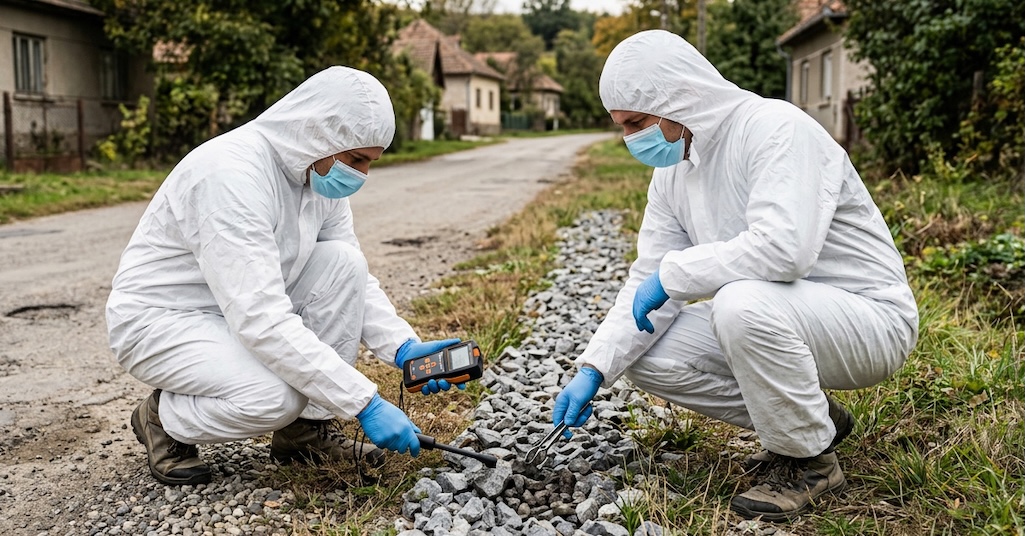

In the first article of this series, we explored how asbestos-containing rock from Austrian quarries ended up in public infrastructure across Austria and Hungary. The second part examined who could be held responsible for the resulting costs.
This final chapter looks at the bigger picture: why do environmental risks sometimes remain invisible for decades, and what can Europe do to prevent today’s economic decisions from becoming tomorrow’s environmental problems?
The hidden costs of yesterday’s decisions
Industrial activity generates immediate economic benefits. Materials are extracted, infrastructure is built, and businesses make profits. But the environmental costs of these activities may only become visible years later.
Asbestos illustrates this problem. According to the European Environment Agency, asbestos-related diseases can develop decades after exposure. Even though its use has been banned across the EU since 2005, managing its legacy remains a challenge.
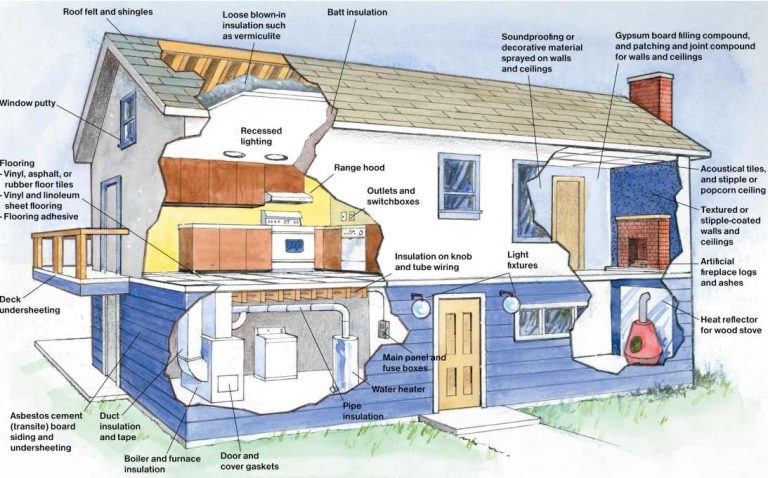
When potentially hazardous materials become part of everyday infrastructure, future costs may include investigations, protective measures, specialised waste management and healthcare.
The fundamental problem is that economic benefits are often immediate, while environmental and social costs can be delayed for generations.
Source: WHS
Why regulation alone is not enough
The Austrian controversy demonstrates that environmental protection depends on more than legislation. Rules must be supported by effective monitoring, clear responsibilities and timely intervention. Otherwise, potentially hazardous materials can move through supply chains before their risks are adequately assessed.
A 2026 study published in Discover Sustainability highlights the importance of coordinated identification, registration and safe management of existing asbestos-containing materials. It also identifies fragmented regulations and financial constraints as obstacles to effective implementation.
Prevention therefore requires cooperation between businesses, regulators and public authorities, not simply voluntary corporate commitments or compensation after damage has occurred.
One market needs shared protection
The Austrian–Hungarian case also raises questions about environmental oversight within Europe’s interconnected economy. Materials can cross borders through ordinary trade, but environmental monitoring and enforcement remain largely national responsibilities.
Better traceability, common testing standards and faster information-sharing between authorities could help identify risks before they spread.
Financial safeguards are equally important. A 2021 European Court of Auditors report found that EU funds had sometimes financed environmental clean-ups that should have been paid for by polluters.
Ensuring that companies can cover potential environmental liabilities, even in cases of insolvency, would help reduce the risk of these costs falling on taxpayers.
Prevention is an investment in Europe’s future
Environmental protection has an immediate price. Testing, inspections and stronger oversight require resources today, while the costs of inadequate protection may remain hidden for decades. This creates a difficult economic choice: saving money now can mean spending considerably more in the future.
The solution is not simply stricter regulation, but a system where environmentally responsible decisions also make economic sense. Ultimately, the question is not only who pays for environmental damage, but who ensures that it does not happen in the first place.
Because the cost of prevention is visible today. The cost of inaction may only become clear to future generations.
Key takeaways
- Environmental costs can outlive economic benefits. Decisions made today may create financial and health consequences decades later.
- Effective prevention requires more than legislation. Monitoring, transparency, enforcement and cross-border cooperation are essential.
- Prevention must become an economic priority. Europe’s environmental policies should encourage safer decisions before society is left paying for their consequences.