When discussing the energy transition, most conversations focus on production.
More solar panels. More wind farms. More clean energy capacity.
But there is another, often overlooked side of the equation: what if the fastest way to a cleaner energy system is not producing more, but using less?
Energy efficiency: the “invisible” energy source
Energy efficiency is often described as the “first fuel” as it is the cheapest and fastest way to reduce emissions.
According to the International Energy Agency, improving energy efficiency could deliver more than 40% of the emissions reductions needed by 2040. (Source: IEA)
Unlike new power plants or infrastructure projects, efficiency measures:
- require less time to implement
- often cost less
- reduce demand immediately
And yet, they receive far less attention.
Why using less energy matters more than it seems
Reducing energy consumption has a multiplier effect across the entire system. Lower demand means:
- less pressure on electricity grids
- fewer new power plants needed
- reduced reliance on imported energy
- lower overall system costs
The European Commission highlights energy efficiency as a key pillar of Europe’s climate strategy, particularly under the Fit for 55 framework, which includes stricter targets for reducing energy consumption. In other words, every unit of energy saved makes the transition easier to manage.
Where the biggest gains can happen
Energy efficiency is not an abstract concept, it plays out in very concrete areas.
- Buildings
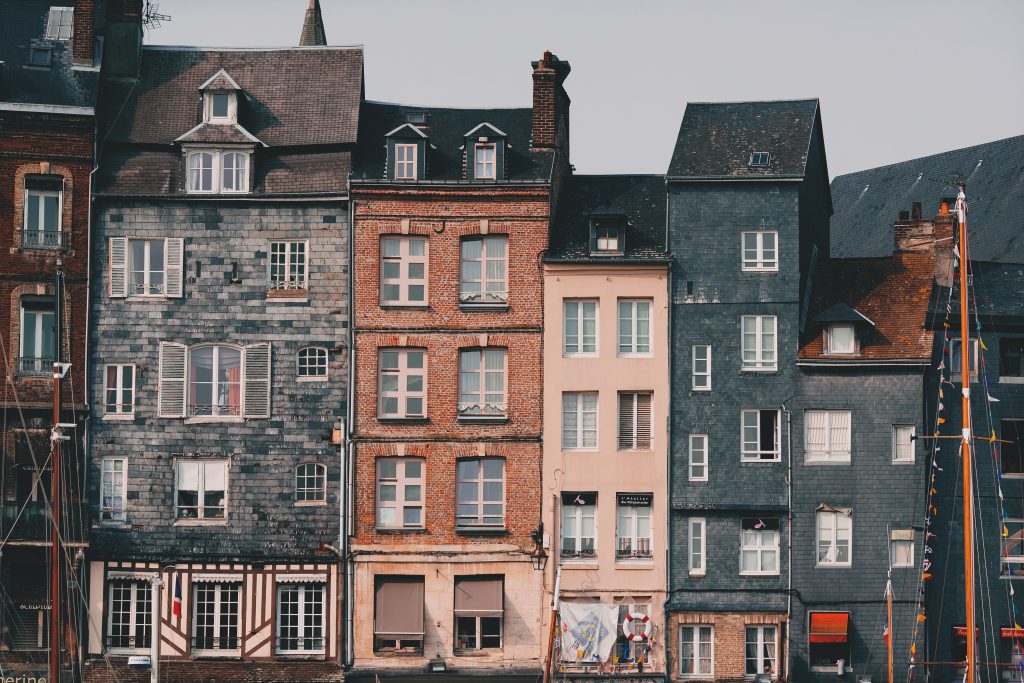
Buildings account for roughly 40% of energy consumption in the EU. Better insulation, smarter heating systems, and renovations can significantly reduce demand.
- Transport
Electrification is important, but reducing unnecessary travel and improving efficiency also matter. Public transport, urban planning, and modal shifts can lower energy use beyond what technology alone can achieve.
- Industry
Optimising processes, recovering waste heat, and improving system design can deliver major efficiency gains, often with relatively short payback periods.
So why isn’t efficiency the main story?
If energy efficiency is so effective, why does it receive less attention than new energy production? There are a few reasons:
- It’s less visible. A wind farm is tangible. Insulation upgrades are not.
- It’s fragmented. Efficiency improvements happen across millions of buildings and systems.
- It’s harder to communicate. “Using less” is less exciting than “building more.”
But from a system perspective, efficiency is not a secondary measure: it is foundational.
The role of policy: pushing efficiency forward
The EU is increasingly recognising this. Through Fit for 55 and related legislation, it is:
- raising energy efficiency targets
- promoting building renovations
- encouraging smarter energy use across sectors
The revised Energy Efficiency Directive, for example, sets stronger binding targets for reducing energy consumption across the EU. These policies aim to ensure that efficiency is not optional, but central to the transition.
A system under pressure
As Europe electrifies more of its economy (from transport to heating) demand for electricity is expected to rise significantly. Without efficiency improvements:
- grid expansion becomes more difficult
- infrastructure costs increase
- energy systems face greater strain
The European Environment Agency notes that reducing demand is essential for maintaining a stable and affordable energy system during the transition. (Source: EEA)
Conclusion
The energy transition is often framed as a race to build more. But it is just as much about needing less. Energy efficiency may not be as visible as solar panels or wind turbines, but its impact is just as real, and often more immediate. Because in the end, the cleanest, cheapest, and most secure energy is the one that is never used. And making better use of energy might be one of the most powerful tools Europe has to achieve its climate goals.