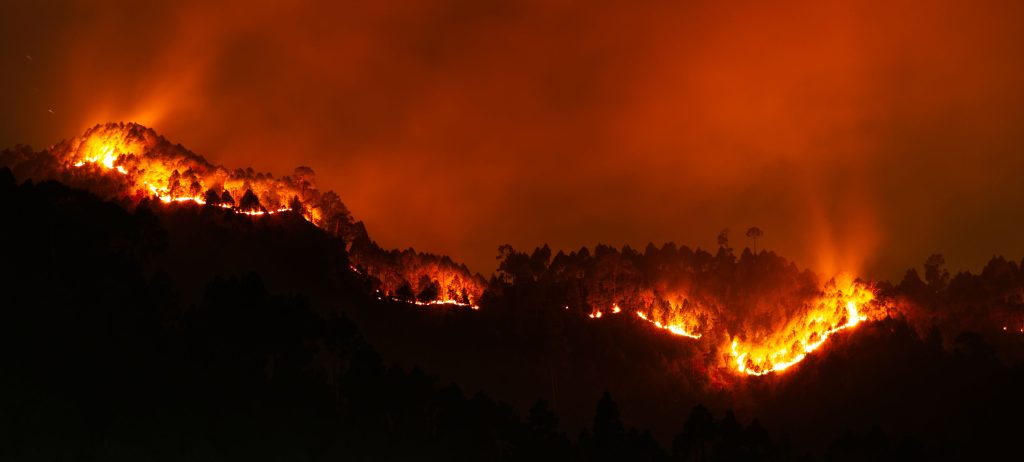
Wildfires have always been part of many European ecosystems, particularly in Mediterranean regions. However, over the past two decades, scientists have observed significant changes in both the length and intensity of Europe’s fire season. Fires are now occurring earlier in spring, lasting later into autumn and increasingly affecting regions that were once considered at relatively low risk.
According to the European Commission’s Joint Research Centre (JRC), the traditional wildfire season historically concentrated between June and September is expanding, with large fires occurring outside these months more frequently than in previous decades. European Commission
As climate change alters weather patterns, understanding why wildfire risk is increasing has become an important part of Europe’s broader climate adaptation strategy, complementing the emission reduction objectives of the Fit for 55 package.
Why are wildfires becoming more frequent?
Wildfires develop when three elements coincide: dry vegetation (fuel), an ignition source and favourable weather conditions. Rising temperatures, prolonged droughts and lower soil moisture create conditions in which vegetation ignites more easily and fires spread more rapidly.
The Intergovernmental Panel on Climate Change (IPCC) concludes with high confidence that climate change is increasing fire weather conditions in many parts of Southern Europe. At the same time, expanding urban development near forests, the so-called wildland-urban interface has increased both human exposure and the number of potential ignition sources. CE2S
Importantly, climate change does not cause every wildfire directly. Human activities remain responsible for the vast majority of ignitions, while weather conditions largely determine how quickly fires spread once they begin.
A longer fire season
Satellite observations from the European Forest Fire Information System (EFFIS) show that Europe has experienced a clear upward trend in large wildfires over recent decades. The JRC reports that even years considered “moderate” remain above the long-term average in terms of burned area, and serious fires are increasingly occurring both earlier and later in the year. SwissRe
The record-breaking 2025 wildfire season saw more than 1 million hectares burned across the European Union, the highest figure since EU-wide monitoring began.
These trends suggest that wildfire management can no longer focus solely on the traditional summer months. European Union
Environmental and economic impacts
Wildfires affect far more than forests. Large fires release substantial amounts of stored carbon dioxide, reduce biodiversity, degrade soil quality and increase the risk of erosion and flooding after heavy rainfall. Smoke from wildfires also contains fine particulate matter (PM₂.₅), which can travel hundreds of kilometres and affect air quality far beyond the burned area.
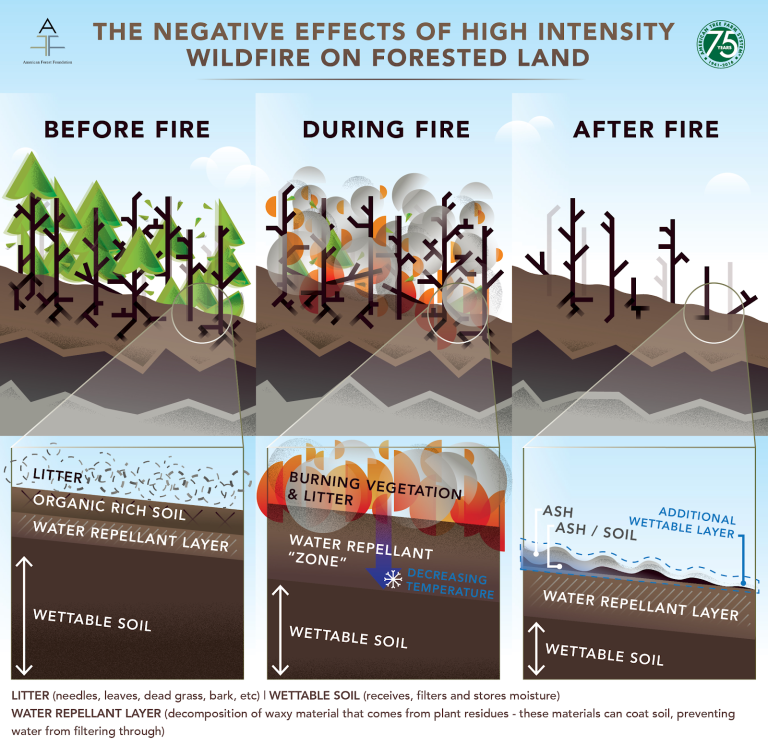
Source: Climate Atlas of Canada
Economic consequences include:
- damage to homes and infrastructure;
- disruption of tourism;
- losses in agriculture and forestry;
- higher insurance costs;
- increasing expenditure on emergency response.
The European Commission estimates that wildfires cost the European economy billions of euros annually, while extreme fire seasons place growing pressure on civil protection systems across Member States. ScienceDirect
What does this mean for Fit for 55?
The Fit for 55 package focuses primarily on reducing greenhouse gas emissions, but many of its policies also contribute indirectly to lowering long-term wildfire risk.
Measures that support:
- renewable energy deployment;
- improved forest management;
- ecosystem restoration;
- climate-resilient infrastructure;
- and lower greenhouse gas emissions
help address some of the underlying drivers that increase fire weather over time.
At the same time, adaptation measures remain essential. The EU has expanded satellite monitoring through the Copernicus Emergency Management Service, strengthened cross-border firefighting cooperation under the EU Civil Protection Mechanism, and invested in early-warning systems to improve preparedness. European Commission
Looking ahead
Climate projections indicate that many European regions are likely to experience more frequent periods of high fire danger during the coming decades, particularly if global temperatures continue to rise.
The challenge is therefore twofold: reducing the greenhouse gas emissions that contribute to long-term warming while improving preparedness for the fires that are already becoming more common.
For businesses, this means incorporating wildfire risk into climate risk assessments and supply chain planning. For governments, it requires continued investment in prevention, resilient landscapes and emergency response capabilities.
Conclusion
Europe’s wildfire season is changing. Fires are becoming larger, lasting longer and affecting more regions than in previous decades. Although individual wildfires result from a combination of weather, vegetation and human activity, scientific evidence indicates that climate change is increasing the likelihood of conditions favourable to extreme fire behaviour.
Reducing emissions through initiatives such as Fit for 55, alongside stronger adaptation measures including sustainable forest management, early-warning systems and climate-resilient infrastructure, will all play important roles in reducing future wildfire risks. Addressing this challenge requires a balanced approach that combines prevention, preparedness and long-term climate action.